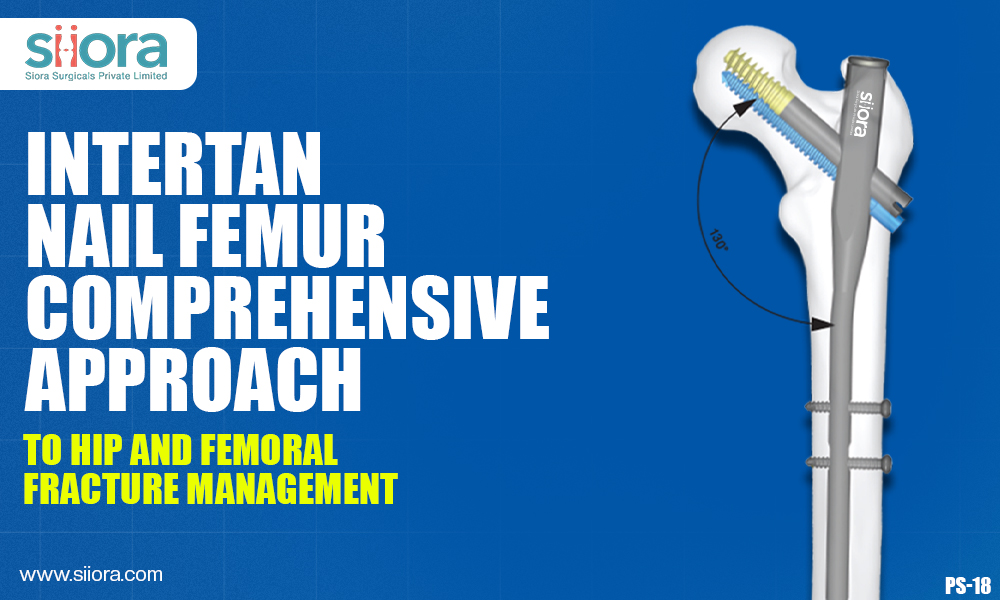
The treatment of hip and femoral fractures has seen remarkable progress thanks to the development of the Intertan Nail Femur system. This advanced device offers a reliable and effective solution for stabilizing fractures, especially those that are complex or unstable. In this article, we’ll explore what makes the Intertan Nail unique, how it’s used in surgery, its benefits, and what patients and surgeons should watch out for during recovery.
What Makes the Intertan Nail Special?
Engineered for Strong Stability
The Intertan Nail was designed with one main goal: to keep broken bones stable while they heal. It offers exceptional rotational stability, meaning it prevents unwanted twisting at the fracture site, which is a common problem with older fixation devices. This feature is particularly important for fractures around the hip, including those in tricky areas like the intertrochanteric and subtrochanteric zones.
Sharing the Load for Faster Healing
Unlike some traditional nails or plates that take on most of the stress themselves, the Intertan Nail works by sharing the mechanical load with the bone. This balanced load-sharing encourages healing by allowing the bone to regain strength gradually, and it reduces the chance of things like implant loosening or breakage.
How Is the Intertan Nail Implanted?
Careful Planning Before Surgery
Before the operation, surgeons take time to study X-rays or CT scans to understand the exact fracture pattern. This planning helps in choosing the right size nail and determining the best entry point for insertion to ensure maximum stability and a good fit.
The Surgical Process
During the procedure, the surgeon makes a small incision and inserts the nail into the hollow center of the femur (the thigh bone). The nail crosses the fracture site internally, holding the broken pieces in place. Precise alignment is key so that the bone heals correctly, and the fixation is strong enough to allow early weight-bearing.
Benefits for Patients
- Less Time in Surgery: The Intertan Nail system often reduces the overall operation time due to its streamlined design and insertion technique.
- Lower Blood Loss: Since the operation is minimally invasive compared to traditional methods, patients experience less bleeding.
- Early Movement: Thanks to the nail’s stability, patients can start moving and putting weight on the leg sooner, which helps prevent complications like blood clots and muscle wasting.
- Faster Recovery: Early mobilization and stable fixation speed up rehabilitation, so patients get back to their normal activities more quickly.
All these benefits translate to better outcomes and improved patient satisfaction.
Managing Potential Risks
No surgery is without risks. Although issues such as infection, implant failure, or delayed healing are uncommon with the Intertan Nail, surgeons still take every precaution. Selecting patients carefully, following surgical best practices, and close post-surgery monitoring are critical steps in catching and managing any complications early.
Conclusion
The Intertan Nail Femur system is a powerful tool in the orthopedic surgeon’s kit for treating hip and femoral fractures. Its innovative design offers enhanced stability and support, enabling quicker recovery and reducing complications. As orthopedic care continues to advance, the Intertan Nail stands out as a trusted method, improving lives by helping patients heal safely and efficiently.
Learn more about the advancements in the healthcare industry, including the orthopedic sector at Arab Health 2026.
 Siora Surgicals Pvt. Ltd.